The Home Almanac

Vol. I, MMXXVIThe American home, in season.Across all fifty states

The Home Year

Houses do not fail randomly; they fail seasonally. Twelve months of American home keeping, each task at its right time for your region.

This month
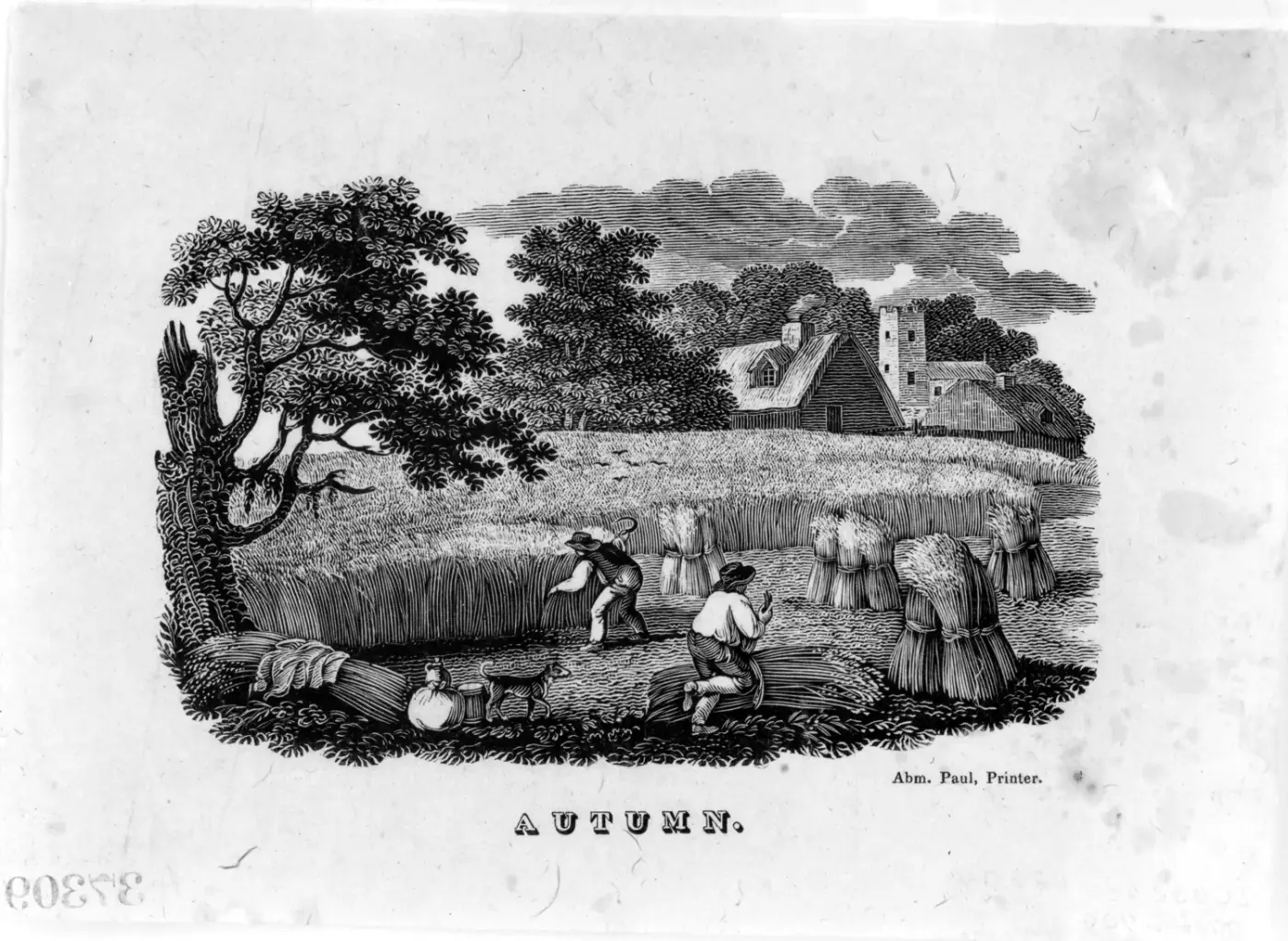
Autumn. Abraham Paul, printer, New York, circa 1816.

January

Deep winter. Keep heat in, water moving, and vents clear.

  • heating
    Change the furnace filter

    Mid-winter is peak runtime and a loaded filter starves airflow, stresses the blower, and can trip the furnace on its high limit.

  • exterior
    Roof-rake the first metre above the eaves

    Ice dams build where attic heat meets snow at the cold eave. Pulling that band after big snowfalls removes the raw material.

  • water
    Check the sump during a thaw

    A midwinter melt runs off frozen ground straight to the foundation. Confirm the pump kicks in and the discharge is not iced shut.

  • safety
    Clean the dryer vent and lint path

    Winter is peak dryer season and lint fires peak with it. Clear the duct from drum to hood, and drying times drop too.

  • water
    Protect pipes when deep cold hits

    Lines in exterior walls and under sinks freeze first. In a hard snap, open cabinet doors and let the far tap run a pencil-thin stream.

  • heating
    Listen to the furnace for new noises

    Short cycling, rattles, or rooms going cold are early warnings. A service call now beats an emergency one at zero degrees.

  • yard
    Prune deciduous trees and treat roof moss

    Late winter is the pruning window before buds break. Treat moss on the roof now so spring rain rinses it clean.

February

The cold tests the house. Read the roof and the attic.

  • exterior
    Inspect the eaves for ice dams

    Thick ice at the roof edge backs meltwater under the shingles. Inside, watch top-floor ceilings and exterior wall corners for stains.

  • heating
    Read the roof's snow melt pattern

    Bare stripes on a snowy roof map your heat loss. If the attic has less than about fourteen inches of insulation, topping up pays fast.

  • heating
    Vacuum baseboards, radiators, and return grilles

    Dust on elements and grilles chokes heat output when you need it most. Ten minutes with the vacuum buys real warmth back.

  • safety
    Test every smoke and CO alarm

    CO risk peaks in heating season. Press the test button on each unit and vacuum the vents so the sensors read clean air.

  • seasonal
    Book spring trades while calendars are open

    Roofers, pavers, and landscapers fill up by April. Quotes come faster, and often cheaper, before the spring rush.

  • exterior
    Watch the snow load on flat and low-slope roofs

    Half a metre of dense snow is a structural load. New ceiling cracks or doors that suddenly stick are signals to clear it.

  • safety
    Plan hurricane and tornado kit refresh

    Coastal and Gulf houses should inspect shutters, generators, and go-bags before the season arrives.

March

Melt is coming. Send water away from the house.

  • water
    Test the sump pump before melt season

    Pour a bucket of water into the pit until the float trips. Check the discharge line is clear and throws water well away from the wall.

  • water
    Move snow and ice away from the foundation

    Banked snow against the wall becomes a week of standing water in the melt. Shovel it downslope and chip downspout outlets clear.

  • water
    Exercise the main water shutoff valve

    A seized main valve turns a burst pipe into a flooded floor. Close it fully and reopen it twice so it moves when it matters.

  • seasonal
    Service the lawn mower and sharpen the blade

    Fresh oil, a clean plug, and a sharp edge before first cut. A dull blade tears grass and browns the lawn within days.

  • heating
    Clean the humidifier and plan shutdown

    Scale and standing water foul the pad by spring. Clean it now and close the damper once overnight lows hold above freezing.

  • yard
    Give the warm-region lawn its first cut and rake

    Lawns wake early in the South and California. Set the blade high for the first pass and rake out thatch while it lifts easily.

  • water
    Inspect the irrigation backflow preventer

    Freezes can crack the backflow preventer above grade. Check it before first use so you do not flood the yard.

April

Walk the property. See what winter did and fix it early.

  • exterior
    Inspect the roof for winter damage

    Scan with binoculars for lifted tabs, missing shingles, and granules at the downspouts. Small flashing gaps now are ceiling stains by June.

  • water
    Regrade where soil settled at the foundation

    Ground should fall away from the house, and downspouts should discharge six feet out. Most wet basements start right here.

  • water
    Open exterior taps and watch for splits

    A bib that froze over winter sprays inside the wall the first time it runs. Open the valve slowly with eyes on the line below.

  • heating
    Book the air conditioner or heat pump tune-up

    Cooling techs book out after the first ninety-degree day. A spring service catches low refrigerant while it is still cheap to fix.

  • yard
    Rake, overseed, and feed the lawn as it greens

    Once the lawn firms up and starts growing, rake out winter kill and overseed thin spots. Seed thrown on mud just feeds the birds.

  • exterior
    Check concrete and masonry for frost damage

    Freeze-thaw widens hairline cracks in walks, steps, and parging. Seal the small ones and get stepped foundation cracks assessed.

  • seasonal
    Start the pool opening sequence

    In warm regions, start balancing water and inspecting equipment before the first swim. Opening early keeps algae from getting a head start.

May

The house opens up. Cooling, taps, and turf come online.

  • heating
    Run the cooling system before the first heat wave

    Test it on a mild day. Weak airflow, warm air, or ice on the line gets fixed in days in May and in weeks in July.

  • water
    Open outdoor water once hard frosts are done

    Hard freezes linger into May in the mountains and northern plains. Open bibs slowly and check interior lines for winter damage.

  • yard
    Start up irrigation and walk every zone

    Heads knocked askew water the sidewalk and a cracked line runs up the bill all season. Watch each zone run before trusting the timer.

  • exterior
    Probe the deck for rot and loose rails

    Push a screwdriver into posts, stair stringers, and ledger trim. Soft wood and wobbly rails are cheap fixes before the season starts.

  • seasonal
    Service the snow blower and store it dry

    Drain or stabilize fuel, change the oil, and store it upright. A clean machine starts fast when the first storm returns.

  • yard
    Wake the lawn in the cold regions

    Northern and mountain lawns green up in May. Rake out winter kill, overseed bare patches, and feed once growth is clearly moving.

  • exterior
    Check window and door screens

    Torn screens let mosquitoes and flies in once the windows open. Repair now while hardware stores are quiet.

June

Long dry days. Seal, stain, and build while you can.

  • exterior
    Stain or seal the deck in a dry stretch

    If water no longer beads, the wood is drinking. You need two dry days and mild temperatures, easiest to find in June.

  • exterior
    Seal the asphalt driveway if it has gone grey

    Asphalt wants sealing every three or four years, above fifty degrees with no rain for two days. Fill the cracks first or it is cosmetic.

  • seasonal
    Degrease kitchen and bathroom exhaust fans

    A dusty fan moves half the air it should. Wash the grilles and the range hood filter so cooking smoke and shower steam leave the house.

  • water
    Start the basement dehumidifier

    Below-grade air turns damp as humidity arrives. Hold fifty percent or lower to keep mould, dust mites, and that basement smell away.

  • exterior
    Confirm the attic can breathe before peak heat

    Insulation pushed over the soffits blocks airflow, cooks shingles, and loads the AC. From inside, daylight at the eaves means air moves.

  • seasonal
    Walk the perimeter for nests, rot, and entry points

    Carpenter ants, wasp starts, and soft trim all show up in June. Knock down nests while they are small and pull mulch off the siding.

  • water
    Flush the water heater and test the relief valve

    An annual flush clears sediment that steals efficiency and shortens tank life. Lift the relief lever briefly and confirm it reseats.

  • yard
    Deep-water trees before summer stress

    One slow weekly soak beats daily sprinkling. Mature trees shading the house are worth more than anything else growing on the lot.

July

Peak heat. Tend the cooling and watch the basement air.

  • heating
    Rinse the AC condenser coil

    Cottonwood fluff and clippings blanket the coil by July. Cut power at the disconnect, rinse gently from the inside out, keep a metre clear.

  • exterior
    Paint and caulk exterior wood in the dry window

    July and August are the reliable dry weeks in most climates. Scrape, prime, and paint while the wood is dry.

  • yard
    Deep-water trees and new plantings in dry spells

    One slow weekly soak beats daily sprinkling. Mature trees shading the house are worth more than anything else growing on the lot.

  • water
    Sniff out summer damp below grade

    Warm air condenses on cool concrete. A musty smell, white mineral bloom, or damp corners point to ventilation or drainage work.

  • safety
    Service the garage door and test auto-reverse

    Lubricate rollers, hinges, and the spring, then test reverse with a board under the door. It is the heaviest moving thing you own.

  • water
    Test the sump backup and clear window wells

    Summer cloudbursts flood more basements than spring melt in many cities. Pull the pump's plug to prove the battery backup works.

  • heating
    Change the filter; cooling season loads it too

    Central air pushes the whole summer through the same furnace filter. A loaded filter ices the coil and drives up the power bill.

  • safety
    Watch for wildfire smoke and ash

    In fire-prone regions, keep windows closed on heavy smoke days and check that portable air cleaners have fresh filters.

August

Book the fall trades now. September fills up fast.

  • heating
    Book the furnace tune-up before the rush

    Heating techs are quiet in August and slammed by October. Annual service is also the condition most warranties quietly hinge on.

  • safety
    Book a chimney sweep if you burn wood

    Last winter's creosote is fuel for a chimney fire. Sweeps book out weeks before burning season, and insurers ask for the paperwork.

  • yard
    Overseed the lawn in the year's best window

    Warm soil and cooling nights from late August to mid September grow grass better than any other weeks of the year.

  • exterior
    Seal gaps before mice move in

    Rodents head indoors as nights cool. Stuff steel wool and seal anything a pencil fits through, especially where lines enter the wall.

  • water
    Replace rubber washing machine hoses

    A burst supply hose floods at full mains pressure and is one of the most common water claims. Braided stainless costs about twenty dollars.

  • yard
    Trim branches clear of the roof and wires

    Limbs over the roof drop the leaves you will dig from the gutters in October, and they hand squirrels a bridge to the attic.

  • safety
    Prepare for hurricane peak season

    Coastal houses should test generators, fuel cans, and storm shutters. One calm weekend in August beats a frantic afternoon in September.

September

Freeze-up prep begins. Heat on, water lines emptied.

  • heating
    Test-fire the furnace on a mild day

    Run heat for ten minutes. A brief burning-dust smell is normal, anything more gets fixed while the weather is still kind.

  • water
    Blow out irrigation before the ground freezes

    Mountain and northern hard freezes land in September. A compressed-air blowout protects buried lines that draining alone misses.

  • water
    Shut off and drain exterior taps before freeze-up

    Close the interior valves, open the bibs to drain, and bring hoses inside. The first hard freeze finds any line left charged.

  • yard
    Overseed the warm-region lawn as the rains return

    September rain wakes southern lawns from summer dormancy. Seed and feed now and skip the spring scramble entirely.

  • heating
    Refresh weatherstripping before heating season

    Close each door on a strip of paper. If it slides out, the seal is flat. Foam and sweeps are cheap and the furnace notices.

  • seasonal
    Close the pool in the North

    Balance the water, lower the level, and winterize the plumbing before the first hard freeze.

  • seasonal
    Pull window air conditioners

    A unit left in past the first frost leaks heat all winter. Clean the filter and coil and store it upright and dry.

  • seasonal
    Service the snow blower before the first storm

    Fresh fuel, a test start, and spare shear pins in September beat a pull-cord fight in the dark during the first real storm.

October

Button up. Gutters, taps, and the first hard frost.

  • exterior
    Clean the gutters after the main leaf drop

    Wait for most leaves, not all of them. Full troughs overflow at the foundation and freeze into ice shelves with the first snap.

  • exterior
    Clear gutters and test drainage before the rain year

    The Pacific Northwest wet season opens in October before leaf drop ends. Clear everything now and plan one more pass in December.

  • water
    Shut off and drain exterior taps

    Done before Halloween in the temperate belt, this is a five minute job. A split bib hides all winter and floods the wall in spring.

  • water
    Winterize the irrigation system

    Book the blowout before the first hard freeze. The backflow preventer sits above grade, freezes first, and costs the most.

  • yard
    Cut the lawn short and feed it one last time

    Drop the blade for the final cuts and fertilize while the grass is still green. This feeding does more than any spring one will.

  • water
    Clear window wells and fit covers

    Leaves and the first wet snow pool in the wells and find the sill. Clear the gravel, check the drain, and cover before winter.

  • seasonal
    Stake the driveway and stock ice melt

    Markers go in before the ground freezes solid. Buy ice melt now; the first storm clears every shelf in town by noon.

  • heating
    Check the furnace filter and humidifier pad

    A fresh filter and a clean humidifier pad before heating season starts means better air and fewer service calls.

November

Settle in. Batteries, radon, and the last of the leaves.

  • safety
    Change alarm batteries at the clock change

    Clocks fall back the first Sunday of November. Fresh batteries in every smoke and CO alarm, and check the replace-by dates.

  • safety
    Start a long-term radon test

    The EPA recommends a test in the closed-house season. Radon is the second leading cause of lung cancer in the United States.

  • exterior
    Make the final gutter pass after leaf drop

    Oaks and maples drop late. One last clearing before freeze-up means January meltwater has somewhere to go.

  • water
    Shut off and drain exterior taps in mild climates

    Even a few freezing nights a year are enough. Drain hose bibs and bring hoses inside before the first cold snap.

  • heating
    Set up the humidifier for heating season

    Once the furnace runs daily, dry air follows. Start near thirty-five percent and turn it down whenever windows begin to fog.

  • seasonal
    Put summer engines away properly

    Run the mower's carb dry or stabilize the fuel, and bring batteries indoors. Ethanol gas left sitting is a guaranteed spring no-start.

  • safety
    Run a winter outage drill

    Windstorms, ice storms, and cold snaps all cut power. Check flashlights and water, and know how you would keep one room warm.

  • exterior
    Inspect the roof after the last hurricane

    Coastal houses should check for lifted shingles, bent vents, and loose flashing once the storm season quiets.

December

Hold the line. Snow, vents, fire safety, and indoor air.

  • safety
    Keep furnace vents and the gas meter clear of snow

    High-efficiency furnaces and dryers vent at the sidewall. Drifts can shut the furnace down or push carbon monoxide back inside.

  • heating
    Check the attic after the first deep cold

    Frost on nail tips or sheathing marks warm moist air leaking up from the house. Find the leaks now, before a thaw turns them to stains.

  • safety
    Give heaters space and keep the tree watered

    December and January lead the year in home fires. A metre of clearance around heaters, candles attended, and the tree never dry.

  • seasonal
    Hold indoor humidity where windows stay clear

    Aim near thirty-five percent and go lower in deep cold. Persistent condensation rots sills and feeds mould behind curtains and blinds.

  • exterior
    Scan the roof after every windstorm

    Storms peel shingles and lift flashing. After each big blow, check from the ground for lifted tabs and hanging branches.

  • heating
    Insulate and weatherstrip the attic hatch

    The hatch is often a bare square in an insulated ceiling, leaking warm moist air. Weatherstrip the lip and fasten batts on top.

  • water
    Confirm pipe heat cables are actually working

    Heat trace fails silently. Check the indicator light or feel for warmth along the run before the deepest cold tests every line.

  • seasonal
    Service the pool in warm climates

    In frost-free regions, December is a quiet month to deep-clean filters, inspect pumps, and rebalance chemistry.

Common questions, answered with your data

Questions, answered plainly

How often should furnace filters be changed?

Every one to three months during heating season, depending on filter type, pets, and dust. The cheap fix that protects the expensive machine. The Home Year repeats the reminder at the months that matter for your region.

When should gutters be cleaned?

Twice in most regions: late spring after seed and blossom drop, and late fall after leaf drop but before freeze-up. The fall clean is the one that prevents ice dams; its timing shifts by several weeks between regions, which is why the calendar adjusts to yours.

When do outdoor faucets get shut off and reopened?

Shut off and drain hose bibs before the first hard freeze, typically October in most of the country and September in the far north, then reopen after the last hard freeze in spring. A burst bib is one of the most common and most avoidable insurance claims.